A Class A CDL is the most powerful — and most marketable — Commercial Driver's License you can hold in the United States. It authorizes the holder to operate any combination of vehicles with a Gross Combination Weight Rating (GCWR) of 26,001 pounds or more, provided the vehicle being towed has a Gross Vehicle Weight Rating (GVWR) of more than 10,000 pounds. In plain English, that's tractor-trailers, flatbeds with heavy trailers, lowboys, livestock trailers, doubles, and triples.
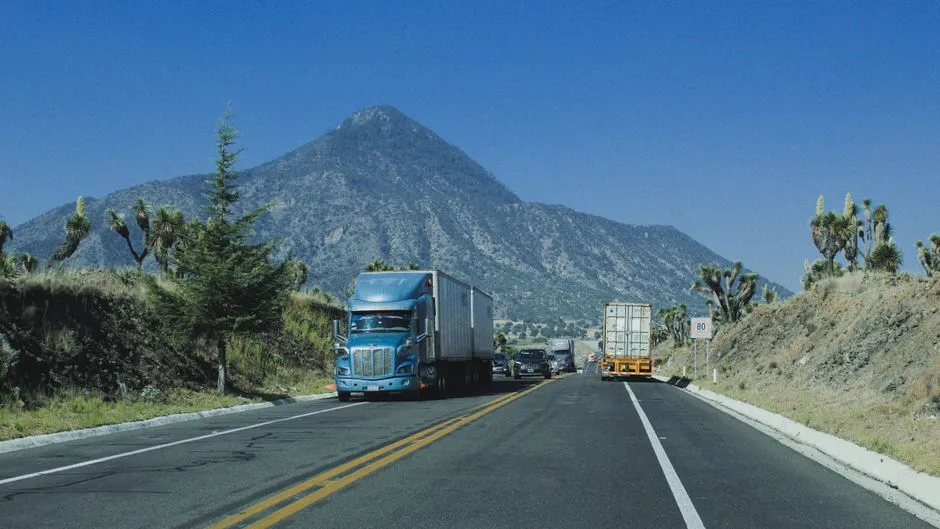
What you can drive with a Class A CDL
A Class A automatically authorizes you to drive most Class B and Class C vehicles too, provided you hold the right endorsements (Passenger and School Bus require their own behind-the-wheel skills tests in addition to the knowledge exams). With a clean Class A and the right endorsement stack — typically Air Brakes, Combination Vehicles, Hazmat (H), Tank (N), and Doubles/Triples (T) — you become qualified for nearly every freight job in the country, including over-the-road, regional, dedicated, intermodal, fuel hauling, food-grade tanker, and LTL line-haul.
FMCSA weight definitions you need to know
The Class A definition rests on three weight ratings that confuse a lot of new applicants. GVWR is the maximum the manufacturer says a single vehicle can weigh fully loaded. GCWR is the maximum the manufacturer says a tractor and trailer combination can weigh fully loaded. GAWR is the maximum each axle can carry. The Class A threshold is GCWR ≥ 26,001 lb and a towed unit GVWR > 10,000 lb. If either condition is missing, you're in Class B or Class C territory.
How to get a Class A CDL
The standard path is: pass a DOT physical, complete federal Entry-Level Driver Training (ELDT) at a registered provider, pass the General Knowledge, Air Brakes, and Combination Vehicles knowledge exams at your state DMV, receive your Commercial Learner's Permit (CLP), wait the federally mandated 14 days, and pass the three-part skills test (vehicle inspection, basic control, on-road) in a representative tractor-trailer. Most candidates spend 4 to 12 weeks in the process, depending on training format and DMV availability.
Class A pay and outlook
Class A drivers in the U.S. earn a median of about $54,320 per year (BLS OEWS, May 2024), with the top 10% earning over $77,990 and specialty endorsement holders (Hazmat + Tank, doubles/triples line-haul) earning meaningfully more. Add a Hazmat endorsement, drill our state-specific practice tests, and read your state's official CDL handbook before testing.